
A young couple was thrilled to learn they were expecting their first child in the spring. They immediately began to prepare their home for the new arrival: They baby–proofed electrical outlets, tested their dishes and furniture for lead paints (discarded anything that showed up positive), and installed baby gates at both ends of the staircase.
Determined to welcome the healthiest child imaginable, the Mum also modified her diet, eliminating processed foods and alcohol, eating organic whenever possible and avoiding places where she could be exposed to smoke or other air pollutants.
They did everything right.
Their new baby girl was indeed born “healthy”—five fingers, five toes—with no visible ailments, yet a very disturbing test result emerged from her time within the womb: Microplastics were detected in the placenta (on both the fetal and maternal sides). They were indicated by the bright colours for which the plastics had been dyed, but scientists were unable to detect whether the plastics originated from cosmetics, packaging or other sources. Somehow, it’s believed that the Mum ingested them and unknowingly passed them along.
It is still to be determined whether or not this will impact the infant’s immune system or cause long-term harm. But considering the first tests that detected this were six years ago, and evidence gathered just last year indicating that we have microplastics in our brains—regardless of future findings—the urgency for a collective cleanup of our planet is real.
In advance of World Cleanup Day later this month, we want to call attention to both the issues at hand, such as the problem of plastic pollution and the presence of microplastics in just about everything … as well as the wins that are happening to reverse the damage, plus what we can all do to help.
Invasion of the Microplastics
As a UN Environment Programme story reported last year, microplastics are showing up in nearly all aspects of our environment.
Harvard says microplastics are everywhere and pose a great risk to our health. The BBC focused on the microplastics present in the air we breathe.
The international community agreed so strongly on the threat of plastics in general, that the Global Plastics Treaty was proposed in 2022 to tackle the issue on a wider scale. Negotiations for this to be formally implemented will continue later this month in Bangkok.
Partners Making Progress
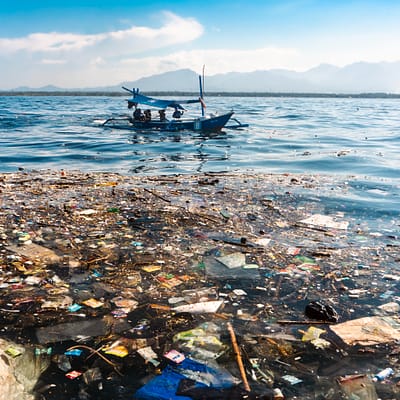
Last year, our environmental grant recipient was 4ocean Foundation. Together, we helped remove over 200,000 lbs. of debris from the waters in Bali, Indonesia.
Now, we’re pleased to share an update from them very dear to our hearts, regarding a milestone they just reached, in their own words:
“Last year, The White Feather Foundation joined 4ocean Foundation at an important moment.
We were beginning a new chapter in Bali, expanding proven cleanup operations through philanthropy and putting more resources directly into the hands of local captains and crews working every day to protect their waters.
The White Feather Foundation was among the early supporters who believed in what this program could become. Today, we can begin to see what that belief helped set in motion.
Since 4ocean Foundation’s programmatic impact began in June 2025, their captains and crews have removed more than 7 million pounds of plastic and trash from the ocean, rivers, and coastlines.
That’s happened through 7,000+ cleanups, powered by 100+ local captains and crew members who know these waters, work in these communities, and show up day after day to protect them.
And where this work is happening matters. Indonesia sits at the heart of the Coral Triangle, the global epicenter of marine biodiversity. These waters support an extraordinary concentration of coral, reef fish, sea turtles, and other marine life. Protecting waterways and coastlines from plastic pollution here means working in one of the most biologically important marine regions on Earth.
For these crews in Bali, though, this isn’t an abstract global priority. It’s home.
Every river cleared, coastline cleaned, and load of plastic recovered helps protect waters that sustain wildlife, communities, livelihoods, and an ocean that connects all of us.
More than 7 million pounds is an incredible milestone for the health of our planet. But the real story is the people behind it, and the early supporters who gave us the opportunity to do this work at a much greater scale.
The White Feather Foundation community helped take an important early step. More than a year later, that support is still moving through Bali’s rivers, coastlines, communities, and out into our shared ocean.”
Congratulations to the entire 4ocean Foundation team for their tireless efforts to clean up our ocean. We are eternally grateful for the partnership and look forward to a day when such projects aren’t needed…
Make Your Mark
We intentionally posted this essay weeks in advance of World Cleanup Day to allow time for our community to organise, mobilise and synchronise to plan and/or participate in events around the globe.
Here are step-by-step directions on how to do so:
To Organise An Event
- Select a public location in your community (i.e. a river, lake or beach – and if you don’t live near a body of water, a forest or park will work too). Make note of the location’s exact address.
- Though the date is already chosen (September 20th), you’ll need to select the time of day you want volunteers to join you for your event.
- Visit worldcleanupday.org to register your event.
- The first step on their website is selecting your country. Please note if you are from the UK or US, you will need to spell out “United” for the dropdown menu to populate.
- From there, you’ll be directed to your nation’s portal for events.
- Follow the prompts indicated to register your event.
- Verify it is confirmed by checking the map after submission.
- Once confirmed, begin sharing the link to your event on your social media pages, to friends and family via email/text and if you have a website or blog, post it there too!
To Join An Event
- Visit worldcleanupday.org to select your country. Please note if you are from the UK or US, you’ll need to spell out “United” for the dropdown menu to populate.
- Once you enter your country’s portal, enter the necessary information to find events close to your home (this may entail typing in your city/town or zip code).
- When you find events in your area, be sure to pay special attention to the date, as some country maps still display cleanups from past events.
- If you find an event that you’d like to participate in, follow the prompts to register and make note of the location and time.
- If there are no events in your community, consider organising one (scroll up to follow that process).
If you’re unavailable on World Cleanup Day or unable to participate in an event, you can still make a significant difference by reducing (or ideally eliminating) single-use plastics from your routine; buying items in bulk when possible; wearing natural (i.e. organic cotton) vs synthetic (i.e. polyester) fiber clothing and avoiding hygiene and beauty/skincare products that contain hidden plastics.
A helpful way to check to see if a product is polluted is by using an app to detect any harmful ingredients:
By educating ourselves, sharing our findings and acting on what we’ve learned, we can shift habits and create a healthier home (planet) for us all…
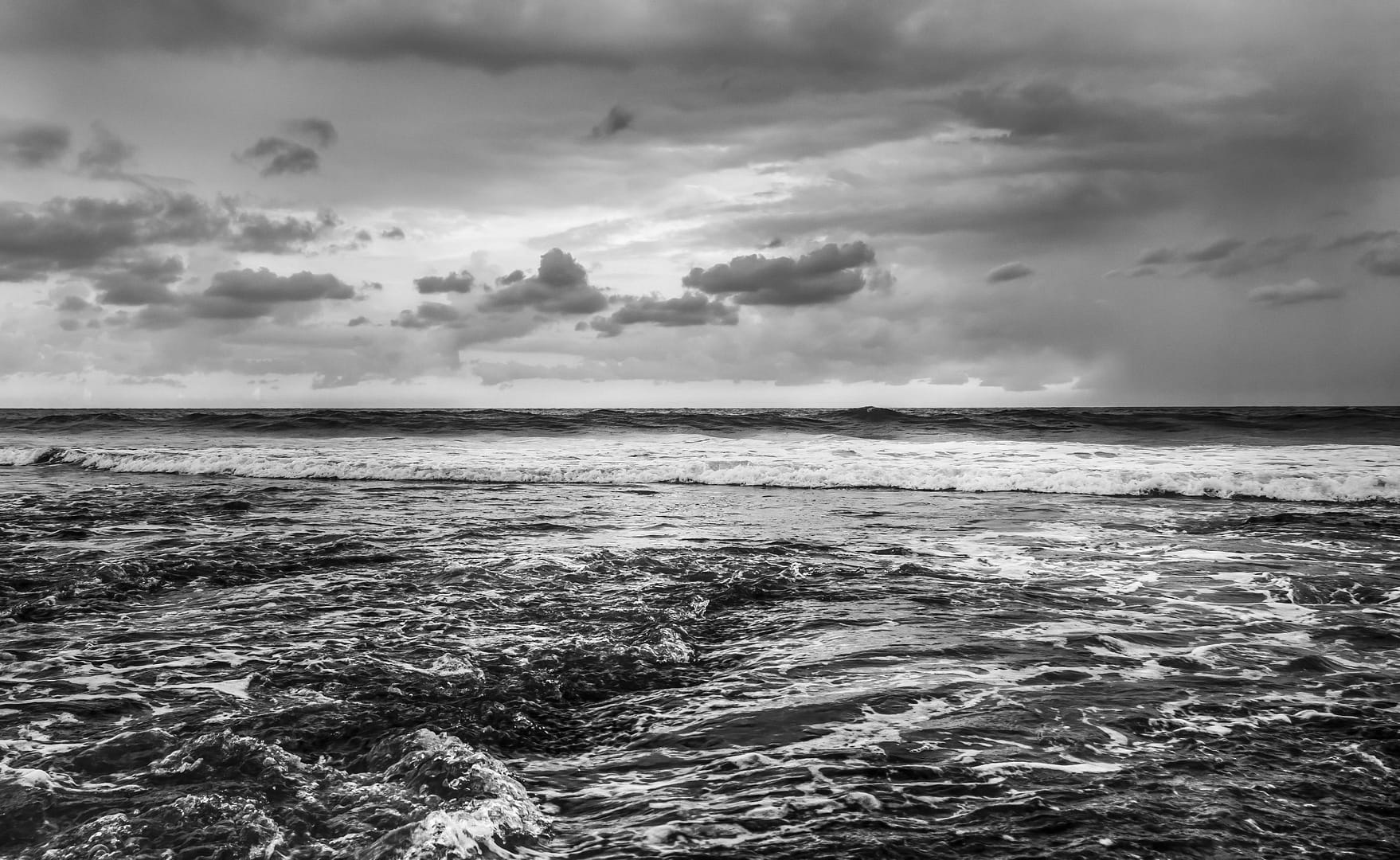
“Tidal, 2016” © Julian Lennon is part of the “Seascape” collection. View all photos in this showcase at julianlennonphotography.com.
Ocean pollution photo with 4Ocean team en route, courtesy of 4Ocean Foundation.
To become a monthly member of The Desert Bloom, which supports projects that protect The Environment, or to make a one-time donation to that specific fund, start here.
Very Informative Article! I will be sharing and doing what I can for the community!