
Earlier this year, we were pleased to award Splash International with a $10k Clean Water grant to implement their child-focused WASH-M (Water, Sanitation, Hygiene and Menstrual Health) package in schools across Zambia.
This program includes the implementation of water tanks and filtration systems; toilets; plumbing; and drinking and handwashing stations into the schools that need them the most.
Now, just 6 months later, significant progress has been made, which we want to share with the community, in their own words …
“Through Project WISE (WASH in Schools for Everyone) Phase II, Splash is partnering with the Government of Zambia to develop a sustainable, government-led model that addresses the critical gaps in water, sanitation, hygiene, and menstrual health (WASH-M) services in public schools while creating a pathway for large-scale national expansion. The long-term vision is to reach more than 400 public schools across four cities and ultimately improve the health, dignity, attendance, and educational outcomes of more than 700,000 children.
When Splash began work in Zambia, the organization had no operational presence in the country. This first year of implementation focused on building the foundation necessary for long-term impact by establishing local operations, recruiting and training a Zambia-based team, developing partnerships with local organizations, conducting extensive school assessments, and building relationships with key government stakeholders. These investments created the framework for a sustainable and scalable program aligned with national education priorities.
Building the Foundation: The 14-School Lusaka Pilot
The centrepiece of the first phase of implementation has been the 14-school pilot in Lusaka. The pilot serves as both a demonstration project and a learning laboratory, helping Splash and government partners understand infrastructure needs, test implementation approaches, and establish standards that can be replicated at scale across Zambia.
Following comprehensive school mapping and infrastructure assessments, Splash identified significant gaps in water access, sanitation infrastructure, and hygiene facilities. In response, the organization launched a comprehensive package of improvements designed to address both immediate service needs and long-term functionality. These interventions go far beyond isolated construction projects and instead focus on creating complete school WASH systems that are reliable, maintainable, and sustainable.
To date, water supply and septic system improvements have been completed at all 14 pilot schools. Key infrastructure achievements include:
- Installation and upgrading of water supply systems.
- New plumbing networks to improve water distribution.
- Construction of dedicated handwashing stations.
- Installation of safe drinking water stations.
- Introduction of chlorine dosing systems to ensure water quality.
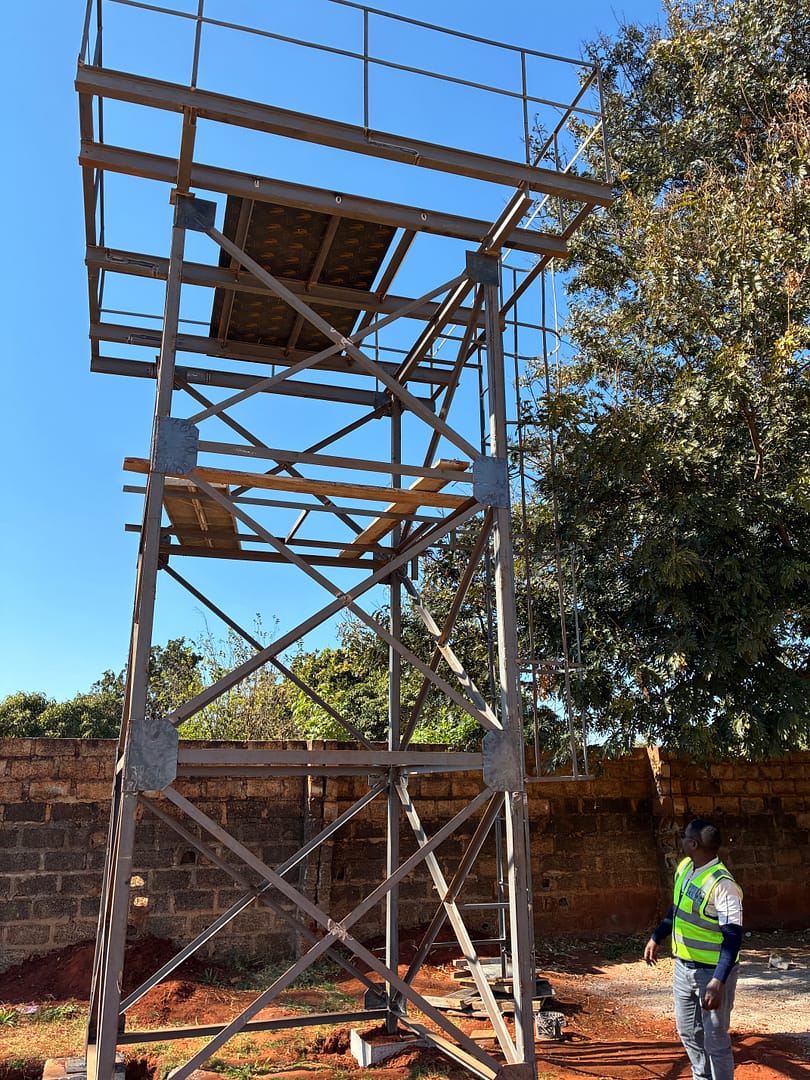
- Installation of water storage tanks to improve reliability.
- Development of new boreholes at schools where additional water sources were required.
- Installation of solar-powered pumping systems to improve sustainability and reduce operating costs.
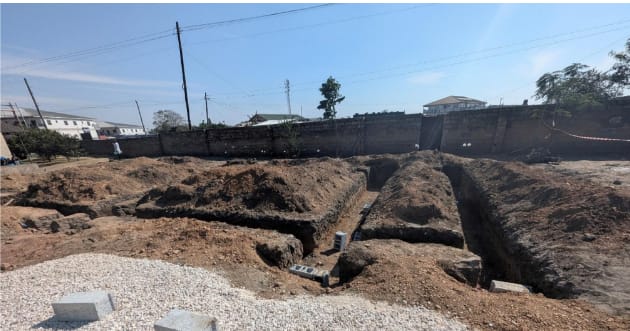
Significant progress has also been made on sanitation improvements. Toilet rehabilitation is underway at ten schools, while four schools are receiving new sanitation blocks where existing facilities were inadequate or beyond repair. Once completed, these facilities will provide safer, cleaner, and more dignified sanitation services for students and teachers.
Alongside the physical infrastructure, Splash has engaged educators, technical experts, community stakeholders, and government representatives to develop locally adapted hygiene and menstrual health programming. This integrated approach recognizes that lasting outcomes require not only infrastructure, but also behavioral change, education, and local ownership to improve student health and well-being.”

Water Tower, Piping and Restroom Structure photos (2026) all courtesy of Splash International.
To help fund future projects like this, join The Ripple.