
Harper scrambled to clear off the kitchen table as she heard her husband Derek’s truck rumble into the driveway. She knew that for her own good, when he arrived home from work, the house not being in perfect order could set him off.
She quickly sprayed the cleanser and wiped the surface down with a sponge, then dried each inch with paper towels before placing the vase of flowers in the middle of the table. In the nick of time…
As he entered he barked, “Where’s dinner?!” Not, “Hello Dear, how was your day?” or “Hi Honey, what is cooking that smells so good?” Just: “Where’s dinner?!”
“I’m just taking it out of the oven. I wanted to be sure it was warm when I served you”, replied Harper.
As he throws his coat on a nearby chair and heads to the table, she opens a cold beer, then pours it into one of his various frozen mugs from the freezer. She sets it down in front of him, then returns to the kitchen to plate their meal.
She puts a juicy steak and generous helping of mashed potatoes on his plate and sets it in front of him. She carries a basket of warm bread to the table. For herself, more potatoes and some peas from the stove.
As she joins him, he gripes, “I don’t know why you’re sitting down?”
Her heart pounds as she asks herself what she’s possibly forgotten. There’s bread, cold drinks, plates …
“What the hell am I supposed to eat with? My fingers?!”
Utensils! She forgot the utensils.
Jumping up, she retrieves a fork and knife for him, and a fork for herself, along with a stack of napkins. “Sorry, Honey, I’m going too fast.”
He grabs them from her hands forcefully and begins to eat. Just then, her phone, which is sitting on the edge of the counter, starts pinging with repeated text messages.
On instinct, she jumps up to silence it, but it’s too late. Though the messages are just the local library telling her that the books she has on hold are ready for pickup, her husband doesn’t wait to confirm that.
His paranoia about her being unfaithful (though she’s not) overtakes him and he erupts into an instant rage, convinced it’s a ‘boyfriend’ and snatches the phone away from her to strike her across the face with it. When that doesn’t seem to do enough damage, he throws her against the wall.
She can feel the side of her face starting to swell and prays whatever bruise results from it can be covered with makeup. She apologises to Derek for the dinner interruption, explaining it was just the library texting, but he’s already mad.
It will just be another one of those nights, one of many she’s had during her marriage, which she keeps to herself because if she reported the abuse, it would only make him angrier, and because she doesn’t work, she has no financial independence apart from him. This is her life and she’ll just make the best of it…
Harper is just one of the 840 million women who endure some form of domestic violence in their lifetime. That’s 1 in 3 worldwide, for those wondering.
And in addition to the core victim, family members who bear witness (most often children) are also victims—even if not physically harmed—as they suffer the emotional trauma and can exhibit PTSD-like symptoms from being repeatedly exposed to the violence.
A 2023 film by Julia Verdin that we supported, Maya, about human trafficking, featured a plot point about domestic violence. The child who became vulnerable to the trafficker was escaping a home where she was being subjected to watching her mother suffer domestic violence at the hands of her vicious boyfriend.
Because October is Domestic Violence Awareness Month, we want to bring the issue to the forefront to examine all who are affected, provide resources for those who are in current domestic violence situations and offer ways that our community can help.
Indigenous Impacts
Missing and Murdered Indigenous Women have their own awareness day—that alone should tell us all how severe the problem is in those communities. In July, it was declared a Human Rights Crisis in Canada.
Just last month, the National Indigenous Times of Australia reported how family violence against Aboriginal women is on the rise (as funding for better safeguards is low). The Conversation wrote a scathing article about the government’s (lack of) response that same week.
In the U.S., the news is just as grim with 80% of Native American women experiencing violence in their lifetime. A PBS exposé last fall examined the historical trauma that contributes to a somewhat collective silence.
How do we end this horrific disproportionate trend? Education, advocacy, drug and alcohol treatment programs and funding to safely support survivors.
Women Aren't the Only Victims
In Europe, it’s estimated that 5 – 10% of men have experienced some form of domestic violence in their lifetime, though that statistic is likely low because of the stigmas surrounding male victims coming forward. Neuroscience News reported on a study conducted this summer, which indicated that cultural and psychological hurdles are to blame for the lack of reporting, and though it’s likely closer to 44% of men who are impacted worldwide, few seek support.
Aside from the shame of the event(s), men sometimes fear they may not be believed. There were also nuances within ethnic groups (i.e. Latino men were more embarrassed by the experience; white men had issues labeling the violence as ‘abuse’) that contributed to the lack of reporting.
A recent domestic violence tragedy in South Carolina where a man was murdered by his girlfriend, has his family hoping the tides will turn, and men will feel no embarrassment in reporting their abuse in the future.
Regardless of reasons, no one should feel as if they can’t come forward when they have been harmed or are currently in danger.
Resources for Domestic Violence Survivors
There is no shame in seeking help to safely remove yourself (and your children, if applicable) from a dangerous situation. Here are places worldwide, dedicated to offering confidential assistance:
- Women and children in the UK can visit Refuge.org.uk and select the applicable action.
- Men in the UK can visit Respect or call the Men’s Advice Line at 0808 8010327.
- Native Americans can visit strongheartshelpline.org or text or call 1-844-7NATIVE if internet searches are unsafe.
- In the U.S., visit The Hotline or call 800.799.SAFE. If you cannot call, you may text “BEGIN” to 88788.
- Indigenous peoples across Canada can visit Hope for Wellness Helpline or call 1-855-242-3310. Available in English, French, Cree, Ojibway and Inuktitut.
- Women in Canada can use the iHeal app to get help personalised to their region.
- Men in Canada, visit Public Health Services and select ‘Get Help’ for a list of resources in your region.
- For all other countries worldwide, visit the NO MORE global directory for resources in your area.
How to Help
If you want to provide support for those who are working on the front lines to end domestic violence and assist its victims, here are some reputable organisations to consider:
- Alliance for Hope International helps both prevent domestic violence and assist victims through innovative programs such as The Training Institute on Strangulation Prevention, Camp HOPE for child victims and the VOICES Survivor Advocacy Network.
- Doorways accompanies survivors to the hospital following abuse, offers shelter and housing to displaced victims and provides free counseling for survivors.
- Lilia Help vets and verifies safe shelters and helplines across the globe and populates their directory with new organisations added regularly.
- The National Network to End Domestic Violence helps survivors with credit-building microloans, transitional housing programs and more.
Alternatively, you could become a member of The White Feather Foundation Dreamcatchers, which supports Indigenous projects, or join The Pulse, which supports Education & Health projects.
Regardless of how you choose to take action against Domestic Violence across the world, please keep the victims and survivors in your heart … 🙏🏽
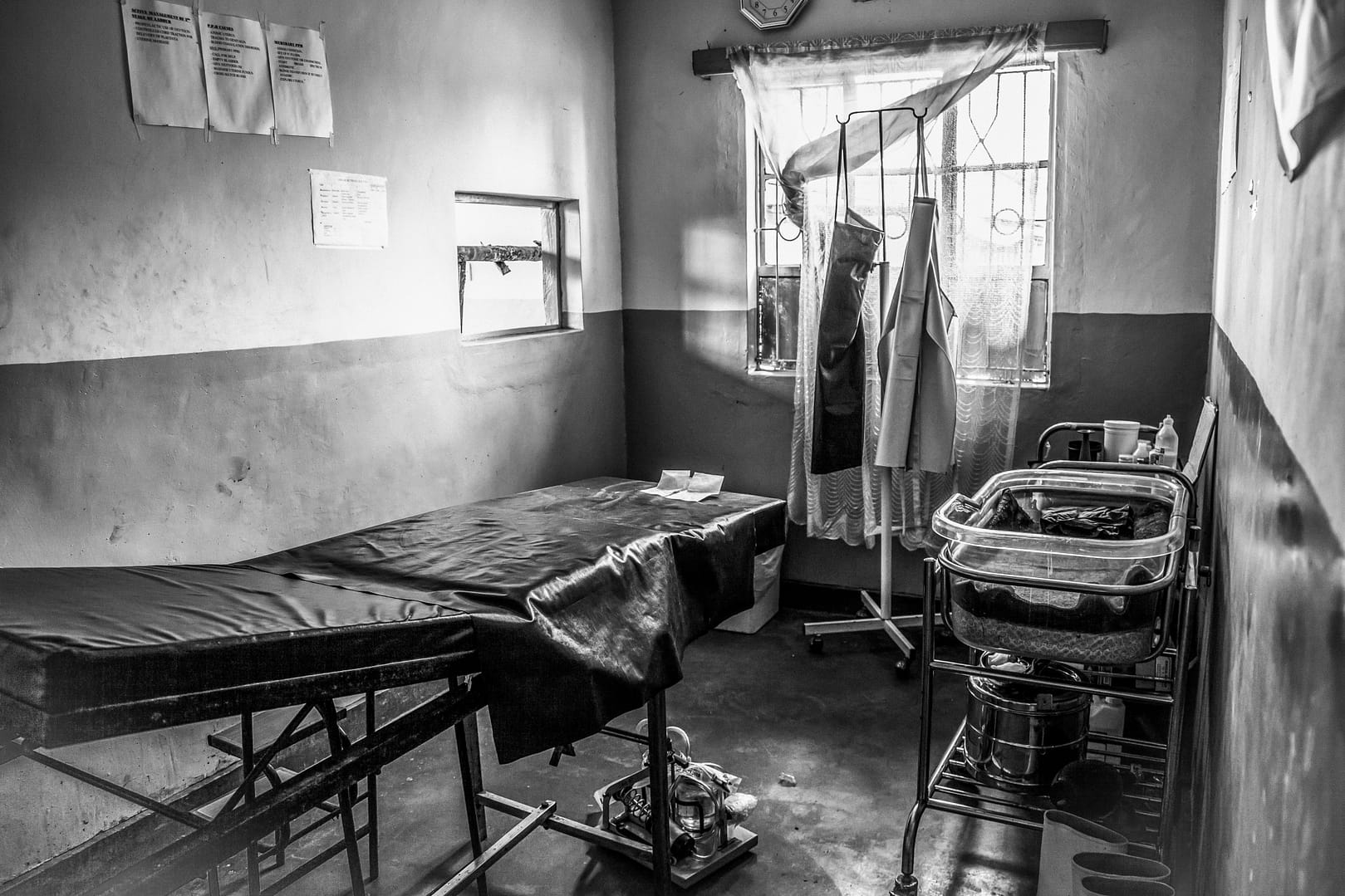
“Prayers, 2014” by Julian Lennon is part of the Kisumu-Kenya collection. View all works at julianlennonphotography.com.
Domestic abuse, physical or mental elder abuse, abuse to children suicide is up in its highest numbers ever here in the US homelessness is another thing. Our economy here is so bad. We have taken the middle class out of our country and now we’re run by a dictator that is a millionaire and crazy and wants to get rid of anyone who’s poor or of color or of origin which is play wrong the US was made up of immigrants and now we are suffering because we have an unjust corrupt system that is taking innocent lives and doing… Read more »